
Every beat that pulses through the speakers at a festival, every shimmering synth line that stirs nostalgia, and every bass drop that electrifies a dance floor owes something to the evolution of electronic music. From bedroom studios to the world’s biggest stages, electronic music has transformed how we listen, move, and connect. But what actually defines this genre, and why does it resonate so deeply with millions of listeners around the globe?
Electronic music is more than a single style or sound—it’s a universe powered by innovation, experimentation, and the relentless pursuit of new sonic frontiers. This guide peels back the layers, tracing the journey from early tape experiments to today’s streaming playlists and sold-out arenas. Along the way, you’ll discover the foundational technologies, essential genres, and the pioneering artists who shaped the movement.
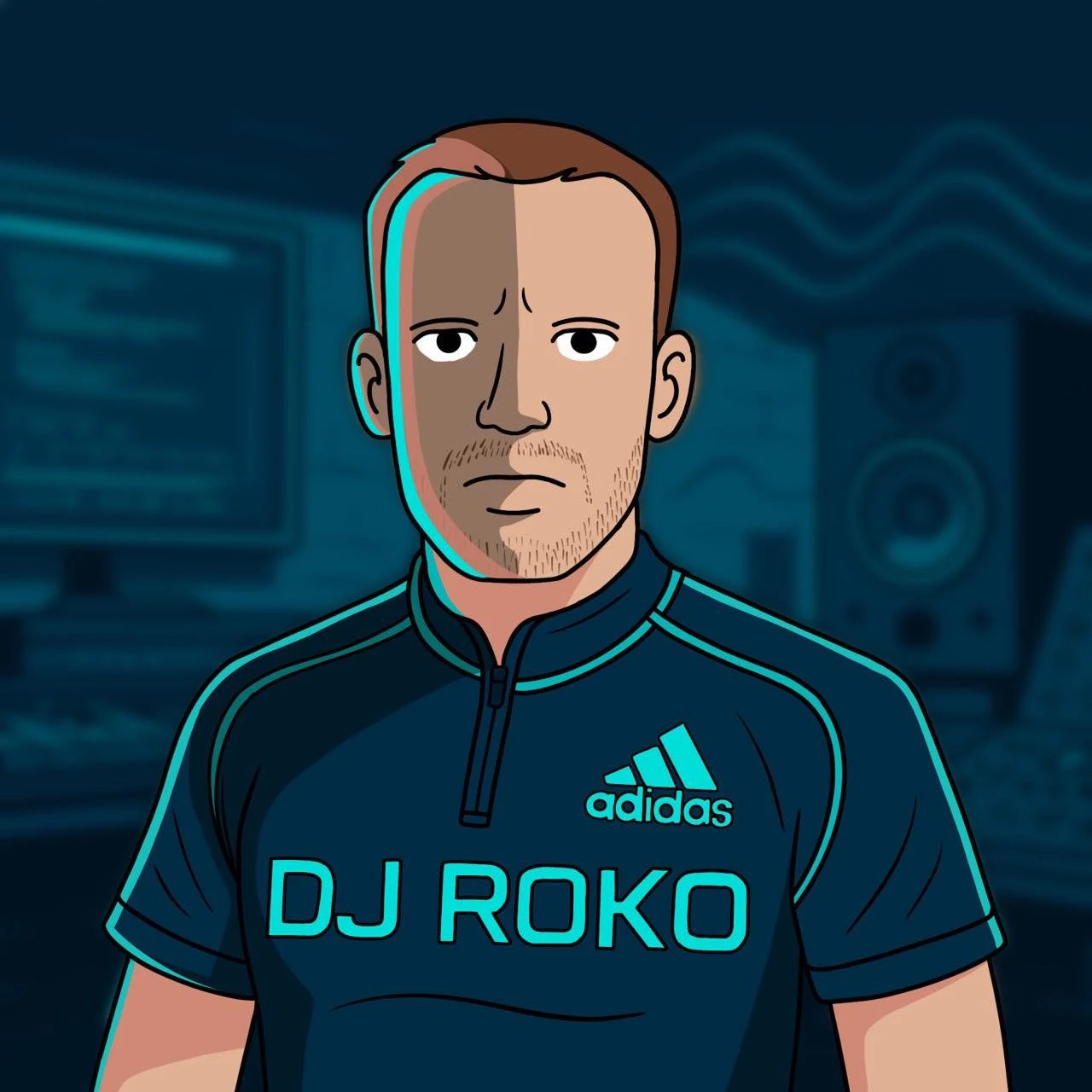
For fans, aspiring producers, and the simply curious, this resource covers everything: from the core building blocks of electronic production to the differences between EDM and its deeper, more experimental roots. You’ll find practical advice on discovering new music, insights into making your own tracks, and the legal know-how every modern producer needs. DJ Roko’s own story—marked by resilience, creative risk, and a passion for blending emotion with technology—threads throughout, offering a personal perspective you won’t find anywhere else.
Whether your goal is to understand the music you love, take your first steps as a creator, or explore the scene’s latest innovations, you’re in the right place. Let’s dive in and unlock the full spectrum of what electronic music has to offer.
What Is Electronic Music? Defining the Genre and Distinguishing It from EDM
At its core, electronic music is any sound sculpted, performed, or manipulated using electronic technology rather than—or alongside—traditional acoustic instruments. Think synthesizers humming new timbres, drum machines pacing out beats, samplers capturing and reassembling audio snippets, and modern DAWs where these pieces all come together. But pinning down a single definition only scratches the surface: this section will explain why “electronic music” spans dreamy ambient soundscapes and the thunderous drops of a festival mainstage, and how EDM fits into that spectrum.
Defining Electronic Music: Instruments, Circuits, and Digital Tools
Electronic music began when inventors and composers realized recorded sounds and electricity could shape new sonic worlds. Early pioneers worked with tape splicing in musique concrète, but the real game-changer was the modular synthesizer—Robert Moog’s groundbreaking design let artists dial in waveforms and filter sweeps in real time. From Moog’s ribbon controller to Roland’s iconic TR-808 and TR-909 drum machines, hardware laid the first bricks.
Today, laptops and DAWs like Ableton Live, FL Studio, and Logic Pro have brought production into every bedroom studio. Virtual instruments and plugin suites replicate classic analog oscillators, while samplers let you chop, loop, and stretch any audio sample into a fresh context. Underpinning it all are Stockhausen’s four criteria for electronic music—consistent time structure, splitting of sound sources, layered spatial imaging, and the parity of tone and noise—which remain surprisingly relevant in modern workflows.
Electronic Music vs. EDM: Terminology and Cultural Context
While “electronic music” is a broad umbrella, “EDM” typically refers to the high-energy, dancefloor-focused side of that family tree—festival anthems, mainstage bangers, and DJ sets designed to move crowds. But not every synth-driven track aims to fill stadiums. Ambient, experimental, and academic pieces explore texture, mood, and sonic innovation without a four-on-the-floor pulse.
To put it simply: all EDM is electronic music, but not all electronic music is EDM. You might drift away on Brian Eno’s spacious Music for Airports before crashing back into Skrillex’s explosive Scary Monsters and Nice Sprites. Both live in the same ecosystem, yet serve very different artistic purposes. Understanding that distinction unlocks the full range of what electronic sounds can offer—from introspective listening sessions to euphoric dancefloor moments.
The Evolution of Electronic Music: From Tape Experiments to Global Phenomenon
Electronic music’s journey is marked by continual reinvention: what began as studio curiosities in post-war Europe became the fuel for global dance culture. Along the way, key cities—Chicago, Detroit, Berlin, London, and New York—emerged as creative hotbeds, each contributing distinctive sounds and scenes. This evolution unfolded in stages, from tape-splicing experiments and modular synthesis to disco’s festival-ready grooves and the software-driven revolutions of the internet age.
Below, we trace six pivotal eras:
- 1940s: Musique concrète and tape manipulation
- 1960s: Robert Moog’s modular synthesizer and early keyboard pioneers
- 1970s: Electronic disco (Moroder & Summer) and Krautrock (Kraftwerk)
- 1980s: Chicago house and Detroit techno take root
- 1990s: Rave culture unites underground scenes in the UK and beyond
- 2000s+: Digital audio workstations, online communities, and social streaming
Early Experiments: Musique Concrète and the Moog Synthesizer’s Debut
Long before synthesizers became studio staples, composers in post-war France like Pierre Schaeffer and Pierre Henry assembled collages of recorded sound—a practice known as musique concrète. By cutting, looping, and splicing magnetic tape, they treated everyday noises as raw musical material. This approach upended conventional notions of melody and rhythm, laying a conceptual foundation for later electronic innovators.
The 1960s saw Robert Moog transform these ideas into a playable instrument. His modular synthesizer, complete with voltage-controlled oscillators and filters, let musicians sculpt tones in real time. Smithsonian’s collection includes Moog’s original ribbon controller, a touch-sensitive strip that introduced expressive pitch bends to the keyboard world. Around the same period, electronic pioneer Gershon Kingsley brought these tools into pop culture with his 1967 hit “Popcorn,” proving synthesizers could drive memorable melodies and commercial success.
Disco, Kraftwerk, and the Rise of Dancefloors
By the mid-1970s, disco’s four-on-the-floor pulse captured mainstream attention—and electronics were at the heart of the sound. Producer Giorgio Moroder’s work on Donna Summer’s “I Feel Love” paired a driving Moog bassline with a precise drum-machine groove, pioneering a future-forward disco aesthetic. Suddenly, dancefloors were awash in pulsing synths and sequenced bass, and clubs became laboratories for sonic experimentation.
Meanwhile, across the Atlantic, Kraftwerk distilled these concepts into something starkly minimal. Hailing from Düsseldorf, the German quartet favored repetitive, machine-like rhythms and icy synth lines that resonated far beyond Europe. Their 1974 album Autobahn showed how electronic music could bridge underground scenes and pop charts alike, inspiring techno’s birth in Detroit and the rise of synth-driven pop across the globe.
Raves, Underground Scenes, and the Internet Era
The 1980s and ’90s brought electronic music out of the studio and into warehouses, fields, and pirate-radio frequencies. Chicago DJs like Frankie Knuckles mixed house records in unlicensed clubs, while Detroit innovators such as Juan Atkins and Kevin Saunderson channeled the city’s industrial grit into the first techno tracks. In the UK, illegal raves—often held in abandoned warehouses around London and Manchester—propelled acid house and breakbeat into a youth-driven counterculture that defied the mainstream.
As the new millennium dawned, production hardware gave way to software. Digital audio workstations (DAWs) such as Ableton Live and FL Studio put entire studios inside laptops, and online forums let bedroom producers share ideas and samples instantly. Today, streaming platforms and social feeds continue to dissolve distance, surfacing fresh sounds from every corner of the planet and fueling the next chapter of electronic music’s ever-evolving story.
Four Pillars of Electronic Music: Core Components and Technology
At the heart of every electronic track lie four core principles—first defined by composer Karlheinz Stockhausen—that still guide producers today. These pillars—unified time structuring, sound splitting, spatial layering, and the equality of tone and noise—form both a conceptual framework and a practical toolkit. Whether you’re sketching a techno loop or designing an ambient soundscape, understanding these foundations helps you harness technology in creative and intentional ways.
Unified Time Structuring and Rhythmic Foundations
Stockhausen’s first pillar emphasizes a consistent temporal framework: in other words, the beat. In most dance‐oriented styles, that looks like a steady four‐on‐the‐floor pulse, grounding listeners in a predictable groove. Contrast this with breakbeat patterns in drum & bass, where kick and snare hit off the grid to spark rhythmic tension. Modern producers often use grid‐based sequencing in DAWs to lock elements to bars and beats, then introduce swing or humanize settings to inject groove. Whether it’s a metronomic techno kick at 128 BPM or a half‐time trap snare, a unified time structure ensures every layer locks in, propelling the track forward.
Splitting and Layering Sound: Oscillators, Samples, and Effects
The second pillar calls for breaking audio into distinct elements—like drums, bass, and pads—and recombining them into new textures. Analog synths generate raw waveforms (sine, saw, square) via voltage‐controlled oscillators, while samplers chop recorded sounds into playable snippets. Producers glue these pieces together, then sculpt them with filters, envelopes, and LFOs. Add reverb tails, delay echoes, or distortion to taste, and suddenly a simple sine wave can become a rumbling bassline or ethereal lead. Layering two or more oscillators at different pitches (detuned slightly) creates rich chorusing effects—an age‐old trick found in everything from lush ambient tracks to the snarling bass in dubstep.
Spatial Composition: Panning, Depth, and Immersion
Stockhausen’s third pillar highlights how sound lives in space. In practice, this means using panning, reverb, delay, and spatial audio tools to place each element in a 3D mix. A subtle stereo delay can widen a synth pad, while a short, bright reverb places percussion close to the listener. Binaural and Dolby Atmos workflows take it further, letting producers “paint” sounds overhead or behind the listener. Even basic left-right panning—nudging hi-hats toward the right ear, for example—adds separation and clarity. Thoughtful spatial design helps each part breathe, prevents masking, and transforms a flat arrangement into an enveloping experience.
From Analog Circuits to DAWs: The Modern Producer’s Toolbox
The final pillar—the parity of tone and noise—reminds us that every hum, hiss, and glitch can be musical. Historically, analog gear introduced gentle distortion and circuit noise, prized for warmth and character. Today’s DAWs pack virtual analog emulations alongside neat, pristine digital sounds. Producers often blend both worlds: tracking a fat Moog bass on hardware, then layering in a glitchy plugin sequence in Ableton Live. MIDI controllers, audio interfaces, and sample libraries round out a home studio, giving you everything from drum-machine punch to granular synthesis textures. Embracing the full spectrum—pure sine to crunchy noise—lets you craft tracks with depth, personality, and sonic contrast.
By mastering these four pillars, you’ll gain a solid grasp of both electronic music theory and hands-on production. In the next sections, we’ll explore how these concepts come to life in specific genres—from the mechanical pulse of techno to the dreamy expanse of ambient.
Techno: Origins, Characteristics & Influential Pioneers
Techno is built on a marriage of machine-like precision and forward-looking sound design. Typically ranging from 120–150 BPM in a steady 4/4 rhythm, this genre strips music to its rhythmic core and layers futuristic synth tones on top. Detroit techno—where it all began—embraces minimalism, repetition, and a sense of relentless momentum. Its ethos is simple: use technology not just to mimic traditional instruments, but to forge entirely new sonic worlds.
Origins: Detroit’s Belleville Three and the Birth of Techno
In the early 1980s, three friends from the Detroit suburb of Belleville—Juan Atkins, Derrick May, and Kevin Saunderson—slowly laid the groundwork for what would become techno. Juan Atkins, often called the “Originator,” released “Alleys of Your Mind” in 1981 under his Cybotron alias, fusing funk bass riffs with cold, robotic synth lines. Derrick May followed with his Rhythim Is Rhythim project, channeling urban grit into tracks that felt both soulful and mechanical. Kevin Saunderson, under aliases like E-Dancer and Inner City, injected a pop sensibility that helped bridge underground and dancefloor appeal.
Together dubbed the Belleville Three, they drew inspiration from European electronic acts (think Kraftwerk) and Detroit’s own musical heritage (Motown’s drive and disco’s groove). By coining the term “techno,” they defined a style where technology wasn’t just an accessory—it was the primary instrument.
Signature Sound: Repetitive Beats and Synthesis
At its heart, techno emphasizes a relentless, unbroken pulse. The Roland TR-909 and TR-808 drum machines became studio staples for crafting crisp kicks, snappy snares, and metallic hi-hats. From there, producers added stabs—short, percussive synth chords—often filtered and sequenced to create rhythmic hooks. Monophonic arpeggiators and step sequencers turned simple waveforms into cascading note patterns, weaving hypnotic loops that evolve gradually over time.
Producers layer subtle modulation—filter sweeps, LFO-driven tremolos, gated delays—to keep each loop breathing. Even when the arrangement feels sparse, these shifting textures create a sense of motion, ensuring the track never sits still. In live DJ sets, seamless mixing of such loops builds a kinetic energy that defines the techno experience.
Key Artists and Landmark Tracks
- Cybotron – “Alleys of Your Mind” (1981): Often cited as the first true Detroit techno record, its blend of syncopated bass and S-shaped synth leads still sounds visionary decades later.
- Rhythim Is Rhythim – “Strings of Life” (1987): Derrick May’s orchestral piano riff propelled this track into dancefloor legend, earning praise for its emotional charge amid mechanical percussion.
- Model 500 – “No UFO’s” (1985): Under Juan Atkins’s solo alias, this record drove techno’s extraterrestrial themes, combining minimalist beats with sci-fi flair.
- Inner City – “Good Life” (1988): Kevin Saunderson’s catchy vocals and uplifting melody brought techno elements into mainstream clubs, showing the genre’s versatility.
These classics set the foundation, and countless artists—from Jeff Mills to Carl Craig—have since expanded techno’s horizons, exploring darker textures, minimal grooves, and even jazz-fusion hybrids.
Further Exploration
For a deep dive into the genre’s history, substyles, and contemporary scenes, check out the comprehensive overview on the Wikipedia page for Techno.
House Music & Subgenres: Soulful Roots and Modern Offshoots
House music sprang from Chicago’s underground club scene in the early 1980s, driven by DJs who blended disco’s warm grooves with drum‐machine precision. Characterized by a steady 4/4 beat (typically around 115–130 BPM) and insistent basslines, it turned warehouses into communal dancefloors where rhythm and soul met technology. Over time, house evolved from those intimate after‐hours parties into a global phenomenon—fueling everything from Ibiza’s sunsets to massive festival mainstages.
At its heart, house is built on simple, hypnotic patterns: a four‐on‐the‐floor kick, syncopated hi‐hats, a rolling bass, and occasional piano or vocal stabs. That accessibility allowed producers to experiment with different textures and moods, spawning dozens of subgenres. Today’s house landscape ranges from the jazz‐inflected depths of deep house to the squelchy acid lines of acid house and the minimal grooves of tech house. Each offshoot retains that core danceable pulse while exploring fresh harmonies, rhythms, and production techniques.
Below, we’ll explore house’s origins, its signature sonic traits, the major branches that grew from the Chicago blueprint, and a few essential tracks and artists you can’t miss.
Chicago Origins: Frankie Knuckles and the Warehouse Sound
House got its name from Chicago’s Warehouse nightclub, where DJ Frankie Knuckles mixed disco edits, European synth tracks, and drum‐machine loops to keep dancers moving through the night. Knuckles swapped reels on twin Technics 1200 turntables, layering percussive loops over soul vocals and live percussion. He often extended breakdowns and builds—techniques borrowed from disco—so a simple groove could evolve over ten minutes, creating a hypnotic atmosphere.
This DIY approach spread quickly. Local producers started pressing white‐label vinyl, trading mixes in record stores and making the Warehouse sound a secret handshake among early adopters. Soon, every track had to have a danceable kick, a melodic riff, and enough space for vocal hooks—elements that remain hallmarks of house today.
House Music Characteristics: Groove, Vocals, and Bass
What defines house more than its 4/4 pulse is its groove. Basslines—often warm, rounded, and looped—lock in with the kick to form a foundation that feels both insistent and flexible. Producer‐friendly tools like the Roland TR-909 created crisp, punchy drums, while melodic stabs—piano chords, organ swells, or sampled vocal snippets—provided hooks that lingered in the listener’s mind.
Vocals in house are another key ingredient. Gospel‐inspired divas, soulful male crooners, or chopped vocal loops can turn a simple instrumental into an anthem. Even when tracks are instrumental, producers often use chopped-up vocal samples to add human texture and rhythmic variation. The result is music designed to feel alive, emotive, and deeply connected to the dancefloor.
Major Subgenres: Deep House, Acid House, Tech House
- Deep House: Laid-back (
115–125 BPM) grooves with jazzy chords and subtle chord progressions. Think warm Rhodes pianos and soft, emotive vocals. - Acid House: Driven by the TB-303 bass synthesizer’s resonant squelch and looping patterns. Acid injects a hypnotic, almost psychedelic character into the four-on-the-floor beat.
- Tech House: A hybrid that marries techno’s stripped-back percussion and glitchy effects with house’s swing and groove. Often minimalist, it thrives on tight drum programming and cleverly placed samples.
These branches highlight house’s adaptability: you can strip it down to hypnotic minimalism, lean into soulful harmonies, or crank up the metallic edginess of acid lines—while always keeping that pulse front and center.
Essential Tracks and Artists
- Move Your Body (Marshall Jefferson, 1986): Often called the “house music bible,” its piano chords and vocal shout “The House Music Anthem!” encapsulate the genre’s early optimism.
- Acid Tracks (Phuture, 1987): A raw, extended exploration of TB-303 acid patterns that helped define acid house’s squelchy signature.
- Can You Feel It (Mr. Fingers, 1986): Larry Heard’s masterpiece, with deep bass and atmospheric chords that paved the way for deep house.
- Mr. Kirk’s Nightmare (Ron Hardy, 1986): A darker, loop-driven journey that showcased early manipulation of drum machines and reel‐to‐reel tape loops.
Further Exploration
For a comprehensive look at house music’s history, styles, and cultural impact, the Wikipedia page on House music offers a solid starting point.
Trance: Melodic Journeys and Euphoric Soundscapes
Trance emerged in the early ’90s around a simple—but powerful—idea: craft music that guides listeners through emotional peaks and valleys. At its core, trance sits between 125–150 BPM in a steady 4/4 rhythm, but what really sets it apart are the long, tension‐building breakdowns and the cathartic drops that follow. Its melodies linger in the mind like earworms, while soaring pads and arpeggiated riffs create a sense of uplift that’s both personal and communal—perfect for late‐night raves or headphone reveries.
Early Trance: German and UK Pioneers
Trance’s first wave came from Germany and the UK. The KLF blurred boundaries with “Last Train to Trancentral,” merging house grooves and ambient soundscapes into a hypnotic odyssey. On the other side of the North Sea, Jam & Spoon infused their tracks with ethereal vocals and lush chords, while Paul van Dyk brought refined production techniques and a charisma that helped trance break into mainstream clubs. These artists proved that electronic music could be more than dancefloor fodder—it could tell stories.
Structure and Subgenres: Progressive, Psytrance, Uplifting
As trance evolved, three main substyles took shape:
- Progressive Trance: Built on slow‐burn arrangements and subtle shifts, it layers pulsing synths and soft pads over understated rhythms.
- Psytrance: Faster (
140–150 BPM) and more intense, it uses rapid hi‐hats, rolling basslines, and hallucinatory effects for an immersive, almost trance‐inducing experience. - Uplifting Trance: Orchestral in scope, it leans on poignant chord progressions and grand breakdowns, culminating in euphoric, hands‐in‐the‐air drops.
Each subgenre retains trance’s signature forward drive but offers different emotional textures—from the meditative to the ecstatic.
Influential Tracks and Artists
A few landmark productions and names are impossible to ignore. Tiësto’s club‐ready take on “Adagio for Strings” gave classical melodies a modern heartbeat and became a festival anthem. Energy 52’s “Café del Mar” distilled sunset vibes into a warm, looping arpeggio that still resonates on beachside decks worldwide. Alongside these classics, figures like Armin van Buuren, Ferry Corsten, and Above & Beyond continue to push melodic boundaries, ensuring trance remains a wellspring of euphoric soundscapes.
Drum & Bass: Fast Breakbeats and Deep Basslines
Drum & Bass (often abbreviated DnB) is all about speed and depth—rapid-fire percussion meets subterranean bass. Typically clocking in at 160–180 BPM, this genre emerged in early ’90s Britain as a darker, more polished evolution of jungle. What started in pirate-run radio stations and underground warehouse raves soon rippled into global clubs, its syncopated energy and deep-frequency heft irresistible to dancers and producers alike.
At its core, drum & bass builds on two pillars: chopped, rolling breaks and weighty sub-bass lines. Producers sample classic drum loops, warp them into new rhythmic patterns, then pair those beats with bass sounds so low they’re felt as much as heard. This blend of raw percussion and sonorous lows can be airy and melodic or hard-edged and industrial, depending on the substyle. Below, we’ll unpack the genre’s roots, signature elements, key subgenres, and the artists whose innovations set the tempo for decades to follow.
Roots in Jungle and UK Underground
Drum & bass traces its ancestry directly to jungle, a UK sound that fused breakbeat mania with reggae and dub aesthetics. In the late ’80s and early ’90s, London’s pirate radio networks championed these new tracks, pushing sliced Amen breaks and echo-laden basslines into the public ear. Rave promoters transformed abandoned warehouses into late-night playgrounds, where DJs tested rough mixes alongside dancers hungry for fresh rhythms. That DIY spirit—mixing sounds without regard for genre borders—helped drum & bass carve its identity, one break at a time.
Musical Features: Breakbeats, Sub-Bass, and Atmosphere
The “drum” in drum & bass comes from meticulously edited breakbeats. Producers export loops into samplers or DAWs, then rearrange hits to form complex, syncopated grooves. A typical DnB track might layer multiple break variations, adding swing or intentional off-grid accents for extra tension. The “bass” side relies on deep, sine-like sub frequencies or distorted growls that anchor the mix. High-frequency percussion, ghost notes, and atmospheric pads round out the sound, giving tracks a sense of space despite the frenetic pace.
Key Subgenres: Liquid, Neurofunk, Jump-Up
- Liquid Drum & Bass: Smooth, melodic, and often jazz-influenced. Think warm Rhodes chords, ethereal pads, and soulful vocals weaving through crisp drum loops.
- Neurofunk: Darker and more technical, characterized by twisted bass mods, sharp snares, and precise, almost surgical, sound design.
- Jump-Up: Built for dance-floor impact, with bouncy sub-bass hooks and punchy drum patterns designed to provoke a crowd reaction.
Each subgenre stretches the basic DnB framework, whether by emphasizing musicality, technical sound design, or sheer dance-floor theatrics.
Pioneers and Essential Listening
- Goldie: His 1994 album Timeless—featuring the epic “Inner City Life”—proved that drum & bass could be both cinematic and club-ready.
- Roni Size: Led Reprazent to a Mercury Prize in 1997 with New Forms, blending live instrumentation and dense breakbeats into a groundbreaking hybrid.
- LTJ Bukem: A champion of atmospheric, jazz-tinged DnB whose label Good Looking Records defined the “intelligent” side of the genre.
Exploring these artists’ catalogs offers a masterclass in how drum & bass grew from underground experiment to a high-velocity staple of electronic music worldwide.
Ambient: Textural Soundscapes and Experimental Sound Design
Ambient music shifts the focus away from driving beats and toward immersive sonic atmospheres. Instead of building tension through rhythmic momentum, it invites listeners into layered soundscapes that unfold slowly, often blurring the lines between music, noise, and environmental audio. From meditation apps to film scores and gallery installations, ambient’s subtle textures and extended tones have found a place wherever mood and spatial depth matter more than tempo.
At its simplest, an ambient piece might consist of a single chord or drone stretched over minutes with slight harmonic shifts. Beneath this apparent minimalism lies a rich toolkit of techniques: generative synthesis that evolves unpredictably, granular processing that scatters sounds like stardust, and field recordings that introduce the echoes of real life—wind in trees, distant conversations, or water dripping. These layers combine to create a sense of immersion, transforming headphones or speakers into portals for focused listening and mindful reflection.
Brian Eno and the Birth of Ambient
Brian Eno is widely credited with pioneering ambient music in the late 1970s. His seminal album Ambient 1: Music for Airports reframed music as part of an environment rather than a foreground spectacle. Tracks like “1/1” unfold with stately repetition—simple piano motifs looped and intertwined with warm synthesizer pads—inviting listeners to both engage and drift away. Eno’s guiding mantra, that ambient music should be “as ignorable as it is interesting,” set a blueprint for generations of sound artists exploring texture, space, and sonic minimalism.
Characteristics and Techniques
Ambient production leans heavily on continuous tones and gradual transitions. Generative processes—algorithms triggering notes or effects—keep the soundscapes in motion without predictable structures. Producers layer field recordings (rainfall, urban hum, bird calls) under synthetic pads, grounding abstract textures in real-world ambience. Effects like expansive reverb and subtle pitch modulation add depth, while granular synthesis chops and stretches audio into swirling clouds. The result is music that rewards deep listening: each subtle shift reveals new details and spatial relationships.
Substyles: Dark Ambient, Drone, Ambient Techno
- Dark Ambient: Evokes cinematic tension with brooding drones, metallic textures, and sparse pulses.
- Drone: Centers on sustained tones with minimal variation, exploring psychoacoustic effects over extended durations.
- Ambient Techno: Fuses ambient’s expansiveness with understated rhythms—soft pulses, gentle loops, and deep sub-bass underpin drifting pads.
Each substyle highlights ambient’s adaptability, whether crafting meditative calm, unsettling atmospheres, or gently grooving soundscapes.
Landmark Works to Explore
- Brian Eno – “1/1” (Ambient 1: Music for Airports, 1978): The track that defined serene minimalism.
- Biosphere – Microgravity (1991): Icy synths and Arctic field recordings conjure vast, echoing landscapes.
- Stars of the Lid – The Tired Sounds of… (2001): Orchestral drones that hover between melancholy and majesty.
- Tim Hecker – Virgins (2013): Complex noise—and piano textures weave emotional, kaleidoscopic tapestries.
Diving into these albums reveals ambient’s vast spectrum—from gentle background washes to intricate audio art—underscoring how texture, space, and experimentation remain at the genre’s core.
Dubstep: Bass Wobble, Half-Time Feel, and Evolution
Dubstep emerged from London’s underground in the early 2000s, defined by its stark contrasts: a measured tempo of around 140 BPM paired with half-time drum patterns, and that unmistakable “wobble” bass. Rooted in UK garage, reggae dub, and experimental electronica, dubstep pushed sub-bass frequencies to the forefront, creating a dark, spacious sound that thrived in late-night club tunnels and pirate radio waves. Over the past two decades, it has grown from a niche scene into a global festival staple—sometimes veering into aggressive “brostep,” sometimes returning to its shadowy origins.
Origins: London Bass Culture and 2-Step Garage
Dubstep’s earliest architects were producers eager to push beyond the skippy grooves of 2-step garage. Drawing on Jamaican dub traditions—delay, reverb, and heavy bass—and the syncopated rhythms of breakbeat, London artists like Skream, Benga, and Digital Mystikz experimented in small clubs and warehouse parties. Pirate radio stations such as Rinse FM and Flex FM amplified these new tracks, giving birth to a tight-knit community that prized sub-bass impact over flashy vocals or soaring chords. In those cramped venues, a single bass drop could warp the room’s atmosphere, cementing dubstep’s reputation as music you feel as much as hear.
Signature Sound: Wobble Bass and Spatial Space
At the core of dubstep is the wobble bass—an LFO-driven oscillation that warps low frequencies into squelchy patterns. Producers route bass patches through filters and modulators, crafting rhythmic movement that syncs with sparse drum hits. That half-time feel means a snare lands on the third beat of each bar, giving the track a heavy, head-nod quality even at mid-range tempos. Above it all, strategic use of reverb and delay carves out cavernous spaces in the mix, letting sub frequencies bloom without muddying the kick drums. This spatial design—placing percussion upfront, mid-range elements at ear level, and bass teetering just below audible thresholds—creates a three-dimensional soundfield tailor-made for club sound systems.
Mainstream Explosion vs. Underground Roots
While early dubstep was cloaked in anonymity—producers often hid behind aliases and shunned the spotlight—the genre’s darker, introspective side persisted through artists like Burial. His minimal, crackling tracks felt more like late-night urban portraits than dancefloor bombs. In contrast, when Skrillex burst onto the scene in 2010, he cranked up the aggression: metallic growls, squealing leads, and seismic drops that became synonymous with “brostep.” This Americanized offshoot propelled dubstep to festival headliners and major-label charts, but it also sparked debates about authenticity. Today, both extremes coexist: club-friendly DJs blend underground dub rhythms with energetic drops, while niche labels continue releasing the shadows-and-echoes style that inspired the movement.
Influential Tracks and Producers
- Burial – “Archangel” (2007): A masterclass in mood, its muted drums and ghostly vocal stabs define dubstep’s more introspective side.
- Skream – “Midnight Request Line” (2005): One of the first tracks to crossover from underground sets to wider recognition, showcasing early wobble bass.
- Digital Mystikz – “Anti War Dub” (2006): A deep, dubbed-out journey that highlights the scene’s roots in reggae and sound-system culture.
- Skrillex – “Scary Monsters and Nice Sprites” (2010): An explosive anthem that introduced aggressive sound design to mainstream dancefloors and changed dubstep’s global profile.
- James Blake – early EPs (2010–2011): Bridging dubstep with soul and R&B, Blake’s work emphasizes sparse beats, deep sub-bass, and emotive vocals.
Together, these tracks and artists trace dubstep’s arc—from its dimly lit London incubators to multimedia stage productions worldwide—demonstrating both the genre’s raw power and its capacity for subtlety.
Ethnic Electronica: Global Sounds and Cultural Fusion
Ethnic electronica blends modern production tools with traditional musical forms to create sounds that honor cultural roots while pushing sonic boundaries. Producers sample regional rhythms, folk melodies, and indigenous instruments—then reshape them through samplers, synthesizers, and effects chains. The result is a genre that transcends borders and invites listeners into a tapestry of global influences.
This fusion movement highlights how electronic music can act as a bridge across time and place. By integrating field recordings, collaborating with local artists, or reinterpreting folk motifs, ethnic electronica shows that technology and tradition can coexist in vibrant harmony. Below, we dive into regional case studies, spotlight pioneering artists, examine key production techniques, and point you toward further exploration.
From Kuduro to Tecnocumbia: Regional Case Studies
Originating in Angola in the late 1980s, kuduro fuses zouk-inspired basslines with frenetic electronic beats and call-and-response vocals. Acts like Buraka Som Sistema exported kuduro to Europe, layering aggressive kick patterns with pulsating synthesizer lines and dancehall shout-outs. In Mexico and Colombia, tecnocumbia infuses classic accordion riffs and cumbia percussion with trance-style arpeggiators and club-ready drum machines. Meanwhile, in the Middle East, Syrian DJ Omar Souleyman transforms traditional dabke wedding rhythms into ecstatic anthems by pairing them with warped synths and heavy reverb.
Notable Artists and Albums
Several artists exemplify the creative heights of ethnic electronica. Thievery Corporation’s album The Mirror Conspiracy weaves sitar drones and bossa nova grooves into downtempo electronic backdrops, crafting a laid-back global sound. Peru’s Dengue Dengue Dengue reinvents Amazonian rituals and Afro-Peruvian percussion for the dancefloor on Siete Raíces, using reverb-drenched bass and chopped vocal samples. These projects highlight the genre’s diversity—from chill world-beat soundscapes to high-energy festival rhythms—and underscore ethnic electronica’s wide-ranging appeal.
Production Techniques: Field Recording and Sampling Traditions
Ethnic electronica often begins with field recordings—capturing street musicians, tribal chants, or ambient market noise—to ensure authentic texture. Producers may license raw stems or work directly with regional performers, then import these recordings into a DAW for editing. Techniques like granular synthesis, time-stretching, and spectral filtering help reshape samples without erasing their original character. Thoughtful use of stereo imaging and spatial effects places these elements within an electronic mix, while live instrumentation—recorded in studio sessions or via remote collaborations—adds depth and cultural nuance.
Further Exploration
For a comprehensive look at this genre’s global intersections, explore the Wikipedia entry on Ethnic Electronica.
Hyperpop and Emerging Microgenres: The Cutting Edge of Electronic Music
In the past decade, a new wave of electronic music has erupted online, shattering genre conventions with high-gloss production, fractured melodies, and an uncompromising digital ethos: hyperpop. Born in the fertile ground of internet subcultures, this microgenre thrives on maximalism, blending snippets of pop, electronic, and trap with playful vocal chops and ear-catching sound design. It’s less a single style than a wild experiment in texture and identity, a place where nostalgia and futurism collide in dazzling, unpredictable ways.
The PC Music Collective and Performance Art
At the heart of hyperpop sits PC Music, a London-based collective led by producer A.G. Cook. Since its founding in 2013, PC Music has operated more like a performance art project than a conventional label—releases arrive as glossy, pseudo-corporate pop statements, and signees perform under neon avatars. Cook’s vision propelled Charli XCX’s most adventurous era—her 2017 mixtape Pop 2 bristles with serrated synths and subconscious hooks—while SOPHIE reimagined pop sound design as high art. Tracks like “BIPP” didn’t just play with melody; they toyed with the very material of sound, introducing metallic timbres and sudden swings that felt like sonic acid.
Characteristics and Production Techniques
Hyperpop productions pack frenetic energy into every corner of the stereo field. Vocals zip and stutter, then stretch into elongated glitches; bright arpeggiators cut through distorted drums; and shimmering pads collide with razor-sharp basslines. Producers often employ extreme pitch-shifting, granular synthesis, and rapid automation to craft abrupt transitions that keep listeners off-balance. Instead of smooth fades or predictable drops, these tracks revel in sudden shifts—plunging from bubblegum sweetness to industrial grit in an instant. It’s a counterintuitive take on pop’s usual polish, yet the result feels thrillingly alive.
Other Rising Styles: Synthwave, Future Bass, IDM
While hyperpop grabs headlines, several other microgenres are gaining traction in similar DIY and online-driven communities:
- Synthwave channels ’80s nostalgia with neon-soaked melodies, gated drums, and cinematic atmospheres—fueling everything from indie film scores to mainstream hits that nod to retro videogames.
- Future Bass emphasizes lush chord progressions and melodic drops, often blending trap-style percussion with sweeping pads for an emotive, mid-tempo intensity.
- IDM (Intelligent Dance Music) continues to inspire underground producers with off-kilter rhythms and experimental glitch aesthetics, prioritizing cerebral curiosity over conventional club utility.
Each of these styles underscores how electronic music splinters into focused scenes, united by shared aesthetic quirks and a spirit of boundary-pushing.
Notable Tracks and Playlists
To dive into this cutting-edge terrain, start with a few defining tracks and curated playlists:
- SOPHIE – “BIPP” (2013)
- 100 gecs – “Money Machine” (2019)
- Charli XCX – “Gone” (feat. Christine and the Queens, 2019)
- Explore “Hyperpop” playlists on streaming platforms to catch the latest underground hits.
Collectively, these selections showcase the audacious sound design, sudden mood swings, and hyper-real shimmer that define this new frontier of electronic music.
Discovering Electronic Music: Resources, Platforms & Communities
If you’re eager to broaden your electronic music horizons, there’s no shortage of channels and networks fueling fresh sounds and connections. Whether you prefer algorithmically tailored playlists, the pulse of a live event, a deep-dive forum discussion, or a behind-the-scenes documentary, the options below will help you find—and join—the scenes that spark your creativity.
Streaming Playlists and Online Radio Shows
Streaming services make it easy to sample hundreds of curated mixes across every subgenre. On Spotify and Apple Music, look for editorial playlists like “Electronic Rising,” “Drum & Bass All-Stars,” or “Hyperpop Hotlist.” SoundCloud stays close to underground currents with genre-focused sets from independent DJs and collectives. If you prefer real-time broadcasts, platforms like DI.FM, NTS Radio, or BBC Radio 1’s Essential Mix showcase both established names and rising talent. Boiler Room’s YouTube channel is another gold mine: their marathon livestreams capture intimate club vibes from London to São Paulo, letting you experience global scenes from home.
Festival Guides and Live Events
Nothing beats hearing a bassline thunder through a packed crowd—or discovering hidden gems in intimate warehouse nights. Websites like Resident Advisor and Festicket list upcoming events worldwide, while local promoters often run Facebook or Discord groups that share underground showcases. For the big-picture experience, keep an eye on lineups for Ultra, Tomorrowland, ADE, and Creamfields. These festivals not only bring A-list headliners but also platform niche stages—perfect for stumbling onto a new favorite. And if you can’t make a trip abroad, regional festivals such as Dimensions (Croatia) or Movement (Detroit) often livestream select sets online.
Online Communities and Forums
From sharing loops to critiquing mixes, online forums are where producers and fans deepen their understanding. Reddit hosts focused subreddits—r/edmproduction for workflow tips, r/electronicmusic for broad discussions, and r/synthesizers for gear talk. Gearspace (formerly Gearslutz) has long been a go-to for studio advice, while Bandcamp’s community sections let you support and discover independent artists directly. Discord servers—from label-run channels to private producer studios—offer real-time chats, sample swaps, and collaborative challenges. Jump in, introduce yourself, and you’ll find people ready to swap feedback or share a free drum loop.
Books, Podcasts, and Documentaries
If you prefer a richer historical or theoretical perspective, books and audio series can’t be beaten. “All Music Guide to Electronica” provides an encyclopedic overview of styles and artists, while “I Dream of Wires” (both book and documentary) chronicles the modular synth revival. For bite-sized insights, tune into podcasts such as Resident Advisor’s “Exchange,” Attack Magazine’s interview series, or “Electronic Explorations” by synth guru Gordon Reid. On YouTube, channels like MIX with the Masters and Synth Anatomy offer deep gear demos and production masterclasses. Pair these with DJ Roko’s own blog and podcast on djroko.co.uk to get both global context and personal anecdotes from the studio floor.
By tapping into these resources—streaming platforms, live events, online hubs, and curated media—you’ll never run out of new beats to explore or people to connect with. Dive in, keep an open mind, and let the vibrant world of electronic music guide your next discovery.
Making Electronic Music: Tools, Techniques & Learning Paths
Turning an idea into a finished track can feel daunting, but with the right tools and a clear process, anyone can start creating electronic music. This section breaks down the essentials—selecting a DAW and gear, mapping out your production workflow, tapping into learning resources, and applying best practices to real-world projects. Whether you’re sketching beats in your bedroom or aiming for a studio release, these guidelines will keep you on track.
Choosing Your DAW and Essential Gear
Your Digital Audio Workstation (DAW) is the command center of your studio. Popular options include:
- Ableton Live: Renowned for its Session View, intuitive clip launching, and live performance capabilities.
- FL Studio: Features a pattern-based workflow and a user-friendly piano roll—ideal for beat makers.
- Logic Pro: macOS-exclusive with deep stock plugin bundles, excellent for composition and mixing.
Beyond software, these hardware elements help you capture and monitor sound accurately:
- Audio Interface: Devices like the Focusrite Scarlett series or PreSonus AudioBox ensure clean analog-to-digital conversion.
- MIDI Controller: Keyboards (Novation Launchkey, Arturia KeyLab) and pad controllers (Akai MPK, Ableton Push) put expression at your fingertips.
- Monitors & Headphones: Reference-grade studio monitors (Yamaha HS series) and closed-back headphones (Audio-Technica ATH-M50x) reveal detail for precise mixing.
Production Workflow: From Composition to Mastering
A consistent workflow transforms raw ideas into polished releases. A typical roadmap looks like this:
- Idea & Sound Design
Capture your initial spark—whether a chord progression, a vocal snippet, or a drum groove. Experiment with synth presets and sample packs to find your sonic palette. - Arrangement
Structure your track: intro, build-up, drop, breakdown, and outro. Drop markers in your DAW to plan transitions and energy arcs. - Mixing
Balance levels, panning, and EQ to carve space for each element. Use compression and buses to glue drum kits and synth groups together. - Mastering
Apply gentle limiting, multiband compression, and stereo widening to bring your track up to commercial loudness. Reference against professional releases to maintain clarity and punch.
Sticking to this order keeps sessions organized and helps you spot creative or technical gaps before they become problems.
Learning Resources and Communities
Hands-on practice paired with targeted instruction accelerates your growth. Explore these avenues:
- YouTube Channels: Andrew Huang’s workflow breakdowns, Sadowick Production’s free tutorials, and Point Blank Music School’s masterclasses.
- Online Courses: Platforms like Coursera, Udemy, and Sonic Academy offer structured lessons on synthesis, mixing, and genre-specific production.
- Local Workshops & Meetups: Check community bulletin boards or your nearest music school for in-person beat circles and studio tours.
- DJ Roko’s Blog & Podcast: Find studio anecdotes, gear reviews, and production tips tailored to EDM creators on djroko.co.uk.
Joining forums (r/edmproduction, Gearspace) and Discord servers gives you feedback loops, sample swaps, and collaboration invites—critical for staying motivated and learning industry tricks.
Best Practices and Real-World Projects
Putting theory into practice solidifies your skills and builds a portfolio:
- Remix Contests: Labels and platforms like Splice regularly host stems-for-remix challenges. They provide deadlines, briefs, and a chance for your work to be heard by industry pros.
- Collaborations: Pair with vocalists, instrumentalists, or fellow producers to combine strengths and share networks. Remote sessions via cloud drives or real-time tools (Source-Connect, VST Connect) make it seamless.
- Self-Release: Upload tracks to SoundCloud, Bandcamp, or DistroKid, then promote through social media teasers and relevant communities. Collect listener feedback and iterate on your next project.
- Live Performance Practice: Recreate your studio set in a live-DJ format to understand track flow, key transitions, and the energy of a real audience.
By engaging with concrete tasks—remixing, teaming up, publishing, and performing—you’ll grow as a producer and demonstrate your capabilities to listeners, labels, and potential collaborators.
Navigating Copyright and Sampling: Legal Essentials for EDM Producers
Electronic music thrives on recontextualizing sounds—drum breaks, vocal snippets, field recordings—but every sample you drop into a track may carry copyright implications. Whether you’re remixing a classic breakbeat or layering a vocal hook, understanding how rights work is critical to releasing your music without legal headaches. This section lays out the core principles of music copyright in the U.S., digital recording rules, licensing and fair use options, and the step-by-step process for clearing samples and safeguarding your own productions.
Understanding Copyright Basics for Music
Copyright for music typically involves two separate rights: composition and master. Composition rights cover the underlying song—the melody, lyrics, and written notation—usually held by the songwriter or publisher. Master rights refer to the actual sound recording, held by the performer or record label. When you sample a recording, you need permission from both rightsholders. Fair use—a narrow exception—allows limited use of copyrighted material for critique, commentary, or education, but rarely applies to commercial tracks aimed at public release. Always assume that any recognizable snippet requires clearance unless it’s in the public domain or explicitly licensed for reuse.
U.S. Copyright Law and Digital Recording Guidelines
In the United States, Title 17 of the U.S. Code governs copyright. Chapter 10 (https://www.copyright.gov/title17/92chap10.html) details rules around digital audio recording devices and media, including prohibitions on circumventing copy-protection systems. For EDM producers, this means you can record vinyl or digital streams for personal reference, but distributing unlicensed copies or trimmed samples without permission violates the law. The moment you plan to share or sell a track containing third-party material, you must secure the appropriate licenses.
Licensing, Fair Use, and Royalty-Free Options
If you need a drum loop, vocal phrase, or synth riff, paid sample packs and subscription services (Splice, Loopmasters, Tracklib) offer pre-cleared content—license fees are baked into your membership. Creative Commons licenses can also be useful: tracks released under CC BY or CC 0 allow reuse, provided you follow attribution rules. Always read the fine print: some CC licenses forbid commercial use or derivative works. When in doubt, choose royalty-free or properly licensed libraries to keep your release process swift and risk-free.
Clearing Samples and Protecting Your Own Work
- Identify the sample source. Pinpoint the original recording and songwriters—check liner notes, BMI/ASCAP databases, or services like WhoSampled.
- Contact rightsholders. Reach out to both the publisher (for composition) and the label or master owner (for the sound recording).
- Negotiate terms. Agree on upfront fees, royalty splits, or a flat license—document every detail in writing.
- Sign a written agreement. Secure a sample clearance contract specifying usage, territory, and duration.
- Register your new work. Once your track incorporates cleared samples, register it with the U.S. Copyright Office to establish your own rights and facilitate royalty collection.
By following these steps, you’ll ensure your music is both creative and compliant—so you can focus on making beats, not battling legal disputes.
Final Thoughts: Your Journey Through Electronic Music
We’ve covered a lot of ground—from defining electronic music and distinguishing it from the festival-ready umbrella of EDM, to tracing its evolution from tape-spliced experiments and modular synthesis through disco, rave culture, and the digital revolution. You’ve met Stockhausen’s four pillars, explored the driving pulse of techno and house, the melodic highs of trance, the breakneck breaks of drum & bass, the immersive textures of ambient, the bass-heavy drops of dubstep, and even the cultural cross-pollination of ethnic electronica and the hyper-bright world of hyperpop. Along the way, you learned where to find new tracks, how to sketch your own beats, and the legal essentials for clearing samples—everything you need to navigate this genre’s rich tapestry.
Now it’s time to put these insights into practice. Dive into a local rave or stream a live set, dissect a classic arrangement in your DAW, or join an online community and swap feedback on your latest loop. Attend a workshop, tackle a remix contest, or simply settle in with headphones and deep-listen to one of the landmark albums we highlighted. Electronic music is as much about participation as it is about appreciation: the more you engage—whether you’re dancing, composing, or discovering—the more profound your connection will become.
Ready to continue the journey? For fresh releases, behind-the-scenes stories, and direct access to DJ Roko’s latest tracks and updates, visit DJ Roko’s homepage. Here, you’ll find new music, tour dates, and a way to get in touch—so whatever your next step, it starts here.
